


Here’s something I’ve learned after 25 years of editing: most people have never actually been edited before.
They’ve had teachers mark grammar errors. They’ve gotten feedback from friends who said “I loved it!” They’ve maybe run spell-check. But they’ve never handed their work to someone whose job is to find every place it could be stronger and tell them about it.
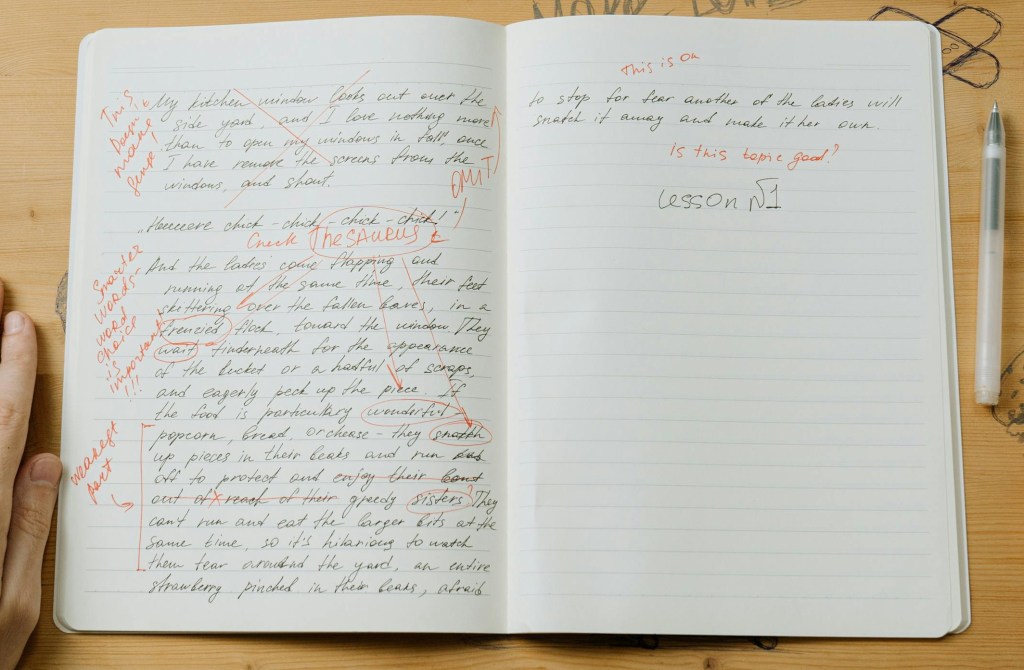
So when I return a manuscript with comments, even a light pass, it can feel like a lot. More than they expected. This is normal. This is what editing actually looks like.
When I say I went easy on something, I mean I focused on surface-level issues: clarity, word choice, obvious structural problems. I didn’t dig into character motivation or question your narrative choices or suggest reorganizing your chapters.
What clients see, though, is a manuscript covered in red marks.
These are often the same document.
The first time you get real editorial feedback, it can feel personal. Your writing is an extension of your thinking, after all, and someone just marked up your thinking with comments and suggestions and questions.
Writers who stick with the process start to see it differently. The red pen stops feeling like criticism and starts feeling like collaboration. One client told me it was like seeing her own work for the first time.
That shift doesn’t happen immediately. Give yourself permission to feel defensive on the first read, then come back to the notes when you’re ready.
That’s when you’ll see what I’m actually doing. I’m not trying to make your writing sound like mine. I’m trying to make your writing sound like the best version of you. The version where every sentence is doing work. Together, we’re catching places where readers could stumble and making sure your voice comes through clean and clear.
That means I’ll flag the places where I had to read twice. I’ll question the paragraph that’s doing something different than you think it’s doing. I’ll point out when you’ve undermined your own argument or let a character off way too easy.
I’ll also flail excitedly if something works really well.
The writers I work best with are the ones who genuinely want someone to push back on their work. They’re not looking for validation, they’re looking for a collaborator who’ll be honest.
If you want someone to tell you it’s great and maybe fix some commas, that’s a legitimate service, but it’s not what I do.
If you want someone who cares enough to tell you the truth and help you fix it, we should talk.
 Foxfire Language Academy | Revontuli Kieliakatemia Ky
Leave a comment